Purchasing a used car is a significant investment that requires careful consideration and subsequent action to ensure that your vehicle serves you reliably. The post-purchase phase is as critical as the buying process itself, as it lays the groundwork for a trouble-free ownership experience. This comprehensive guide will walk you through these essential actions, ensuring that your investment is protected and your experience as a used car owner is positive. 
Upon finalizing the transaction, you should prioritize several key activities. These initial steps are crucial in establishing a foundation for a smooth ownership experience. Prompt action in these areas will also help you comply with legal requirements and optimize vehicle performance.
First and foremost, ensure that you have obtained all necessary paperwork. This includes the title, bill of sale, and any maintenance records provided by the previous owner. These documents are vital for verifying the vehicle's history and facilitating future transactions. Make copies of these documents and store them in a safe place, both physically and digitally, to prevent loss. Additionally, familiarize yourself with the details in these documents to better understand the vehicle's background.
Next, promptly register your vehicle with the appropriate local authorities. This process is imperative to ensure legal compliance and to avoid potential penalties. Registration typically involves providing proof of ownership, insurance, and identification. Be aware of the specific requirements and deadlines in your locality to avoid fines. Keeping your registration up to date is crucial, as it not only confirms legal ownership but also assists in tracking ownership changes and vehicle history.
Securing insurance coverage is a legal requirement and a protective measure for your new asset. Consult with your insurance provider to select a plan that best meets your needs and provides adequate coverage. Shop around and compare quotes from different insurers to find the most competitive rates. Consider factors such as coverage limits, deductibles, and additional benefits like roadside assistance or rental reimbursement when choosing your policy.
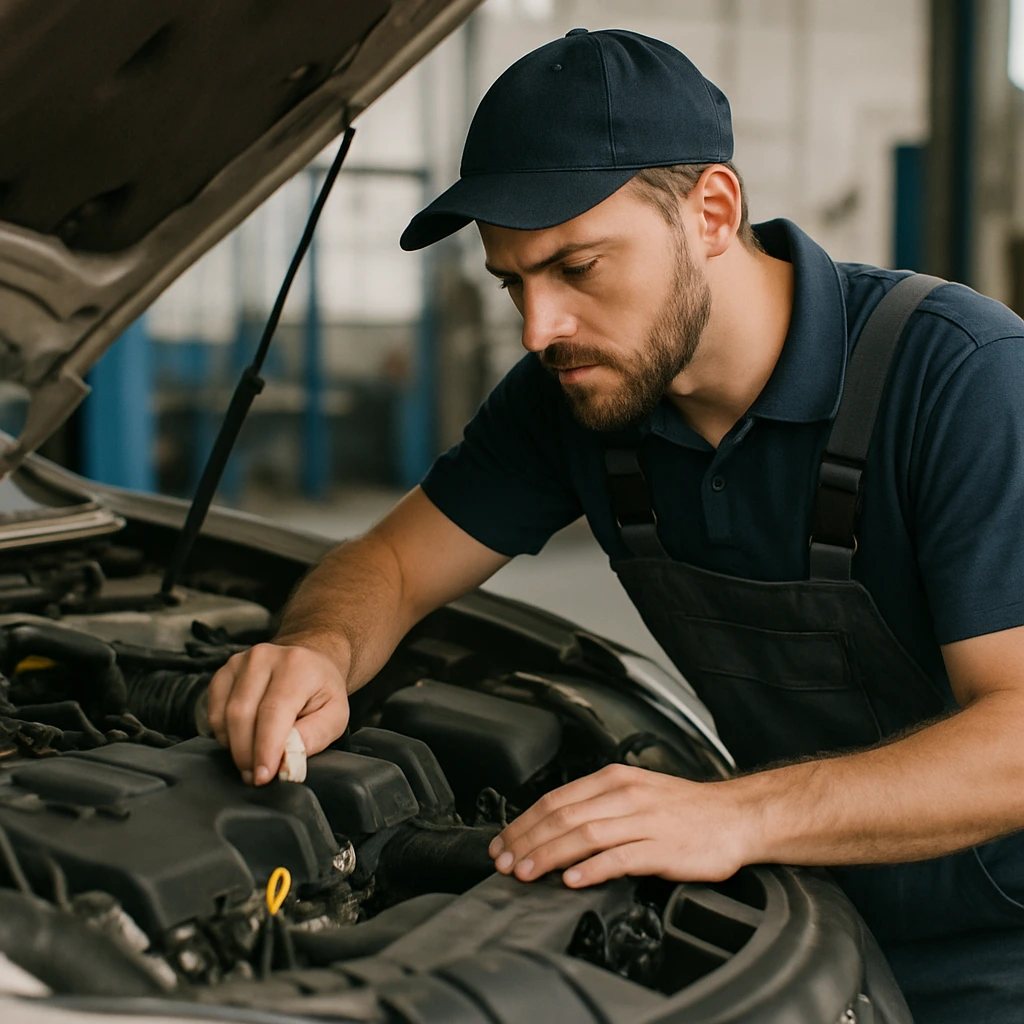
Even if you have conducted a pre-purchase inspection, it is wise to have a comprehensive examination performed by a trusted mechanic. This step can uncover any underlying issues that may not have been apparent during initial evaluations. A thorough inspection ensures that your vehicle is in optimal condition and can help prevent unexpected breakdowns.
Arrange for a qualified mechanic to conduct a detailed inspection of the vehicle. This check should include an assessment of the engine, transmission, brakes, tires, and suspension system. Identifying any potential problems early can save you from costly repairs in the future. Ask for a written report from the mechanic detailing the condition of each component. This documentation can serve as a baseline for future maintenance and repair needs.
If the inspection reveals any issues, address them promptly. Neglecting necessary repairs can lead to further damage and increased expenses. Prioritize resolving mechanical concerns to ensure your vehicle operates safely and efficiently. Consider setting up a maintenance plan with your mechanic for ongoing support. This proactive approach can extend the lifespan of your vehicle and enhance its resale value.
Check all safety features, such as seat belts, airbags, and anti-lock braking systems, to ensure they are functioning correctly. Safety should always be a top priority, and ensuring that these systems work as intended can prevent accidents and injuries. If any safety features are not working properly, have them repaired immediately to maintain the vehicle's safety standards.
Initiating a routine maintenance schedule is essential for preserving the longevity and performance of your vehicle. Regular maintenance not only ensures that your car runs smoothly but also helps maintain its value over time.
Begin by changing the engine oil and replacing oil filters. Fresh oil ensures that the engine runs smoothly and reduces wear on critical components. Additionally, replace air and cabin filters to maintain optimal air quality inside the vehicle. Regular oil changes can also improve fuel efficiency and extend engine life. Keeping track of oil change intervals is crucial for sustaining engine health.
Evaluate the levels and condition of all fluids, including coolant, brake fluid, transmission fluid, and power steering fluid. Replenish or replace these fluids as necessary to ensure proper vehicle function. Clean and adequate fluid levels are vital for the operation and longevity of your vehicle's systems. Consistently check fluid levels and top them off as needed to prevent mechanical failures.
Regularly rotate your tires to ensure even wear, which can extend their lifespan and improve fuel efficiency. Also, check the vehicle's alignment, as misalignment can cause uneven tire wear and affect handling. Proper tire maintenance contributes to a smoother ride and improved safety. Maintaining the correct tire pressure is equally important and should be checked monthly for optimal performance.
Protecting your vehicle from theft and vandalism is of paramount importance. Implement security measures to safeguard your investment, as peace of mind and vehicle integrity are crucial for a satisfying ownership experience.
Consider installing an alarm system or a GPS tracking device. These tools can deter theft and provide peace of mind when your vehicle is unattended. An advanced security system can also offer features such as remote start and locking, adding convenience to security. Research different systems to find one that fits your budget and security needs.
Physical deterrents, such as steering wheel locks or brake locks, can further enhance security. These devices are visible deterrents that make it more difficult for unauthorized individuals to operate your vehicle. Additionally, park in well-lit and secure areas whenever possible to reduce the likelihood of theft. Investing in a steering wheel lock or a tire lock can significantly increase the security of your vehicle.
When parking your vehicle, choose locations that are well-lit and populated to deter potential thieves. Always lock your doors and roll up windows, even when leaving the car for a short time. Avoid leaving valuables visible inside the car, as they can attract unwanted attention. Implementing these simple habits can greatly reduce the risk of theft and vandalism.
Understanding the specifics of your vehicle can improve your driving experience and prevent potential issues. Familiarity with your car's features and operations enhances safety and enjoyment.
Take the time to thoroughly read the owner's manual. This document contains valuable information about the vehicle's features, maintenance schedules, and troubleshooting tips. Understanding the maintenance recommendations and service intervals can help you keep the car in top condition. Additionally, the manual provides insights into the unique features of your vehicle, enabling you to maximize its benefits.
Familiarize yourself with the vehicle's features and systems. Test the lights, wipers, air conditioning, and infotainment system to ensure everything is functioning correctly. Familiarity with these features will enhance your comfort and safety on the road. Regularly checking that all systems are operational will help you identify any issues early and address them promptly.
Spend time getting accustomed to the driving dynamics of your new vehicle. Every car handles differently, and understanding its acceleration, braking, and steering characteristics will improve your driving skills. Practice in a safe area until you feel confident with the vehicle's responsiveness. This familiarity will contribute to safer and more enjoyable driving experiences.
Keeping detailed records is essential for maintaining your vehicle's value and ensuring a seamless ownership experience. Organized documentation aids in tracking performance and supports future sales processes.
Maintain a log of all maintenance activities and repairs performed on the vehicle. This documentation will be invaluable for future reference and can increase the vehicle's resale value. Detailed records provide transparency and reassurance to potential buyers. Additionally, tracking maintenance helps you adhere to service schedules and identify patterns that may indicate emerging issues.
Monitor your vehicle's fuel efficiency by recording fuel purchases and mileage. Keeping track of this data can help identify changes in performance that may indicate mechanical issues. Analyzing fuel efficiency over time can reveal trends related to driving habits and mechanical health. This information is useful for diagnosing problems early and optimizing vehicle operation.
Keep an organized record of service intervals and upcoming maintenance tasks. Use a calendar or digital app to remind you of important service dates. Staying proactive about maintenance ensures consistent vehicle performance and prevents minor issues from escalating. Regularly reviewing these records keeps your car in optimal condition and supports a worry-free ownership experience.
Purchasing a used car is a rewarding endeavor that demands responsible follow-up actions. By adhering to these post-purchase tips, you can ensure that your vehicle remains a reliable and valuable asset. From securing documentation to conducting thorough inspections and implementing security measures, each step plays a crucial role in safeguarding your investment. Remember, diligent maintenance and a proactive approach to addressing issues will yield long-term benefits and enhance your overall driving experience. Taking these steps not only preserves the vehicle's value but also provides peace of mind and satisfaction as a car owner.
Question: What documents should I secure right after buying a used car, and why are they important?
Short answer: Gather the title, bill of sale, and any maintenance/service records from the previous owner. These verify ownership and the vehicle's history, are required for registration and insurance, and help with future resale. Make physical and digital copies, store them safely, and review the details to understand the car's background and past care.
Question: How soon should I register and insure my used car, and what will I need?
Short answer: Do both immediately to stay legal and avoid penalties. Registration typically requires proof of ownership (title/bill of sale), proof of insurance, and identification; deadlines vary by locality, so check yours. When setting up insurance, compare quotes and choose appropriate coverage limits and deductibles, considering add-ons like roadside assistance or rental reimbursement.
Question: Should I still get a professional inspection after purchase, even if one was done before? What should it include?
Short answer: Yes. A post-purchase inspection by a trusted mechanic can catch issues missed earlier and establish a baseline. Ask for a written report covering the engine, transmission, brakes, tires, and suspension, and verify safety systems (seat belts, airbags, ABS). Address any problems promptly---prioritize safety-critical repairs---and consider a maintenance plan to prevent costlier fixes later.
Question: What maintenance should I do right away to baseline the vehicle's condition?
Short answer: Change the engine oil and oil filter, and replace air and cabin filters. Check and replenish/replace key fluids (coolant, brake, transmission, power steering). Rotate the tires, check alignment, and set tire pressures correctly; continue checking tire pressure monthly. These steps improve reliability, safety, fuel efficiency, and long-term value.
Question: How can I protect my used car and build good ownership habits from day one?
Short answer: Enhance security with an alarm or GPS tracker and use visible physical deterrents like steering wheel locks; always park in well-lit, populated areas and keep the car locked with valuables out of sight. Get familiar with the owner's manual, test all features (lights, wipers, HVAC, infotainment), and practice driving to learn the car's handling. Keep comprehensive records of maintenance/repairs, track fuel efficiency, and set reminders for service intervals---these habits aid troubleshooting, preserve value, and simplify future resale.