In recent years, the global automotive industry has undergone a seismic shift. Beyond the electric vehicle (EV) transition and smart mobility, another critical pillar is reshaping auto manufacturing and post-market supply chains: sustainability and the circular economy.
As environmental regulations tighten globally—particularly in North America and Europe—car manufacturers (OEMs), Tier-1 suppliers, and fleet operators are facing mounting pressure to minimize their carbon footprint throughout the entire product lifecycle. This lifecycle extends far beyond the dealership floor; it encompasses how materials are sourced, utilized, and ultimately processed when a vehicle reaches the end of its useful lifespan.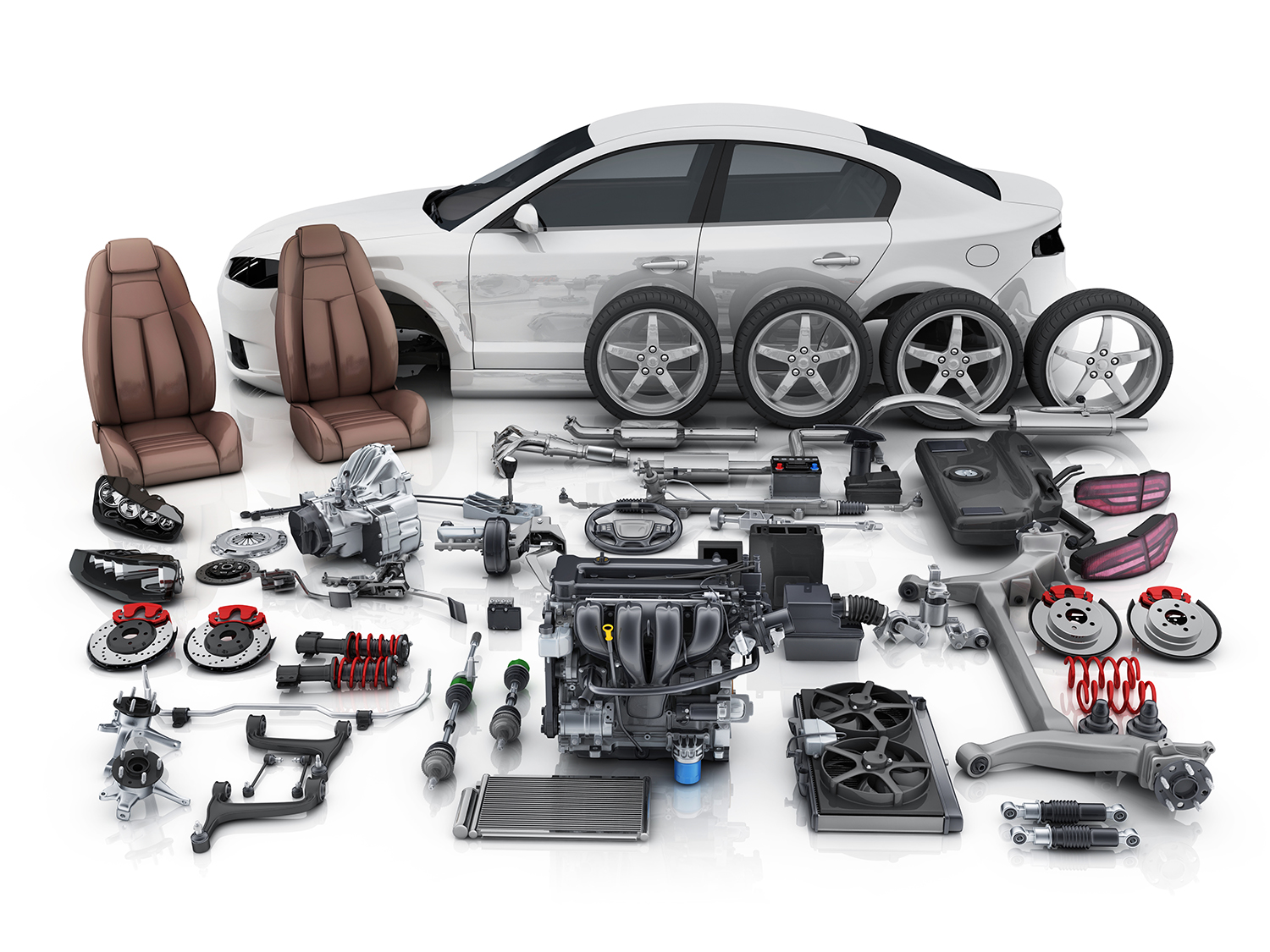
Automotive manufacturing is inherently resource-intensive. Producing a single passenger vehicle requires substantial amounts of steel, aluminum, copper, rare earth elements, and various polymers. As raw material costs fluctuate and global decarbonization targets draw near, auto executives are shifting from a traditional linear "take-make-dispose" model to a closed-loop system.
Modern vehicle design increasingly incorporates "Design for Recycling" (DfR) principles. OEMs are now engineering cars with lightweight aluminum structures, modular battery packs, and easily separable synthetic textiles to facilitate seamless dismantling later in life.
End-of-Life Vehicles (ELVs) should not be viewed as waste, but rather as urban mines packed with valuable industrial feedstocks. On average, nearly 80% of a modern automobile’s weight is fully recyclable.
To achieve high recovery rates, systematic processing is essential across several core components:
Precious Metal Recovery: Catalytic converters remain among the most valuable units during dismantling due to their platinum, palladium, and rhodium content.
Closed-Loop Fluid Management: Draining, separating, and re-refining engine oil, transmission fluid, and coolants prevents groundwater contamination while yielding usable industrial lubricants.
High-Rate Materials: Lead-acid batteries consistently achieve recovery rates exceeding 97% to 99%, serving as a gold standard for closed-loop consumer manufacturing.
Structural Metals and Polymers: Advanced shredding and sorting technologies enable steel and high-grade aluminum to be melted down and forged directly back into new automotive chassis and engine blocks.
Understanding the operational frameworks, localized collection facilities, and disposal protocols involved in 
For Chinese automotive manufacturers expanding overseas—especially into the Americas, Europe, and Southeast Asia—complying with regional ELV regulations is vital for long-term market penetration.
EPR (Extended Producer Responsibility): European and North American regulators are progressively holding automakers responsible for the collection and eco-friendly disposal of their branded vehicles.
Traceability and Carbon Accounting: Scope 3 emissions (which include end-of-life disposal) are under intense scrutiny. Utilizing recycled aluminum and recycled steel substantially lowers the embodied carbon of new vehicles.
EV Battery Circularity: As the first generation of mass-market EVs reaches retirement, developing robust supply chains for lithium, nickel, and cobalt recycling is both a regulatory obligation and a strategic advantage.
The future of the automotive industry will not only be defined by zero-emission powertrains and autonomous driving algorithms, but also by how effectively the industry closes the loop on raw materials. Embracing vehicle recycling, optimizing dismantling networks, and adhering to global environmental standards will differentiate market leaders from competitors in the decade ahead.


