Certified vs. Non-Certified Used Cars Explained
When shopping for a used car, you might come across terms like "certified pre-owned" and "non-certified used." These terms can be confusing if you're not familiar with the used car market. In this guide, we'll break down the differences between certified and non-certified used cars, helping you make an informed decision. Understanding these distinctions is crucial because it can significantly impact your buying experience, potential maintenance costs, and overall satisfaction with your purchase. As the used car market continues to grow, knowing the ins and outs of these options will ensure you're making a choice that aligns with your financial situation and personal preferences. 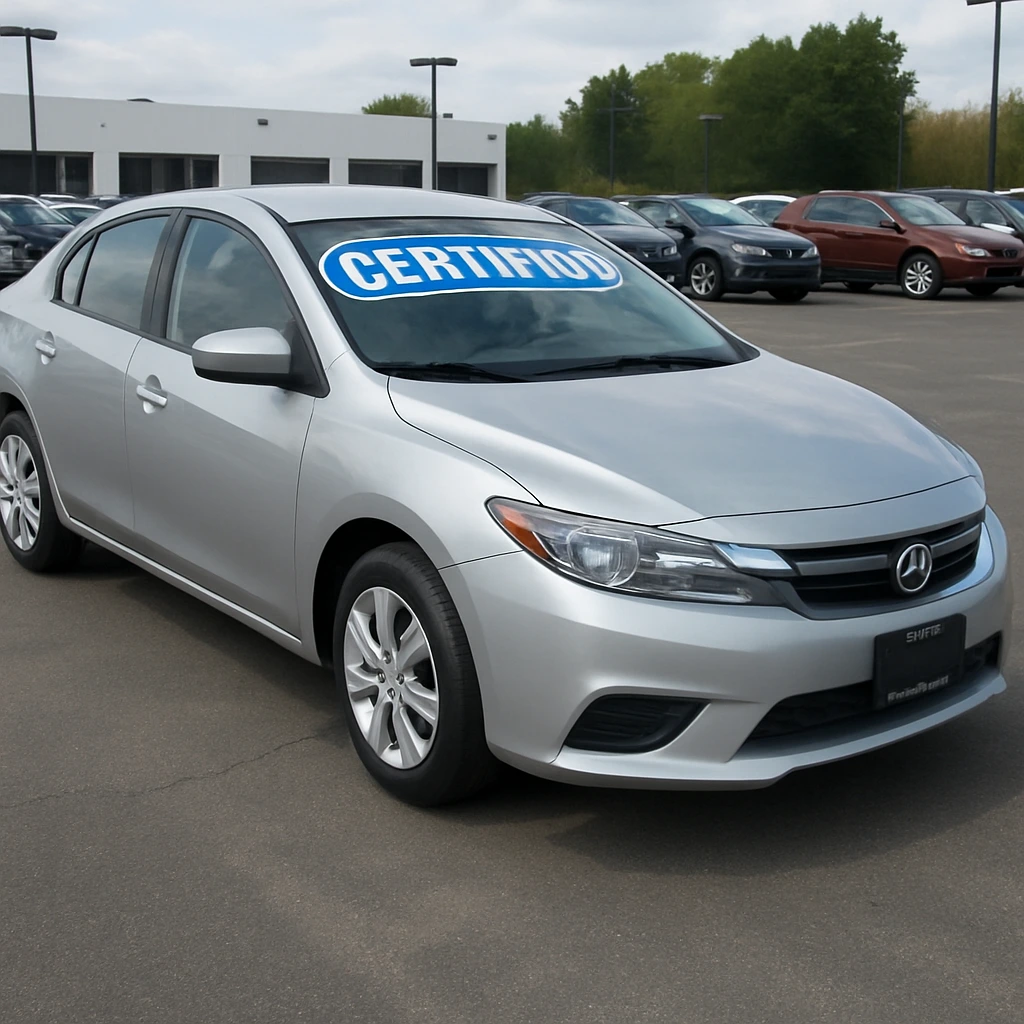
Summary
Certified pre-owned cars cost more but offer multi-point inspections, extended warranties, roadside assistance, and vehicle history reports for added assurance and potentially stronger resale value. Non-certified used cars are cheaper and more varied but lack built-in protections, making independent inspections and due diligence essential. The right choice depends on your budget, risk tolerance, and how long you plan to keep the vehicle.
Certified pre-owned (CPO) cars are used vehicles that come with a seal of approval from the manufacturer or dealership. These cars have undergone a thorough inspection process and meet specific criteria set by the manufacturer. CPO cars often come with additional benefits, such as extended warranties and roadside assistance. These certifications are not just a marketing ploy; they are a testament to the vehicle's quality and the dealership's commitment to customer satisfaction. For many buyers, CPO vehicles represent a middle ground between the cost-effectiveness of a used car and the reliability of a new one.
Key Features of Certified Pre-Owned Cars
- Multi-Point Inspection: Certified pre-owned vehicles undergo a detailed inspection process that covers mechanical and cosmetic aspects. This ensures that the car is in top condition. The inspection often includes checks on the engine, transmission, brakes, suspension, and electronics, as well as the interior and exterior condition of the vehicle. This comprehensive evaluation provides buyers with a detailed understanding of the car's current state and any potential issues.
- Extended Warranty: One of the main attractions of CPO cars is the extended warranty. This warranty can provide peace of mind, as it often covers major components for an extended period. Depending on the manufacturer, these warranties can range from a few months to several years and may include coverage for powertrain components, electrical systems, and more. This coverage can save you significant amounts in potential repairs, making the upfront cost of a CPO car more palatable.
- Roadside Assistance: Many CPO programs offer roadside assistance, which can be a valuable benefit if you ever encounter problems on the road. This service often includes towing, flat tire changes, battery jump-starts, and lockout services. Having access to such support can be reassuring, especially if you frequently travel long distances or have an unpredictable schedule.
- Vehicle History Report: CPO cars usually come with a detailed vehicle history report, which provides information about past ownership, service history, and any accidents the car may have been involved in. This report helps buyers understand the vehicle's background, ensuring there are no hidden surprises. It also verifies that the vehicle has not been involved in significant accidents or suffered major damage, which can affect its longevity and performance.
Non-Certified Used Cars
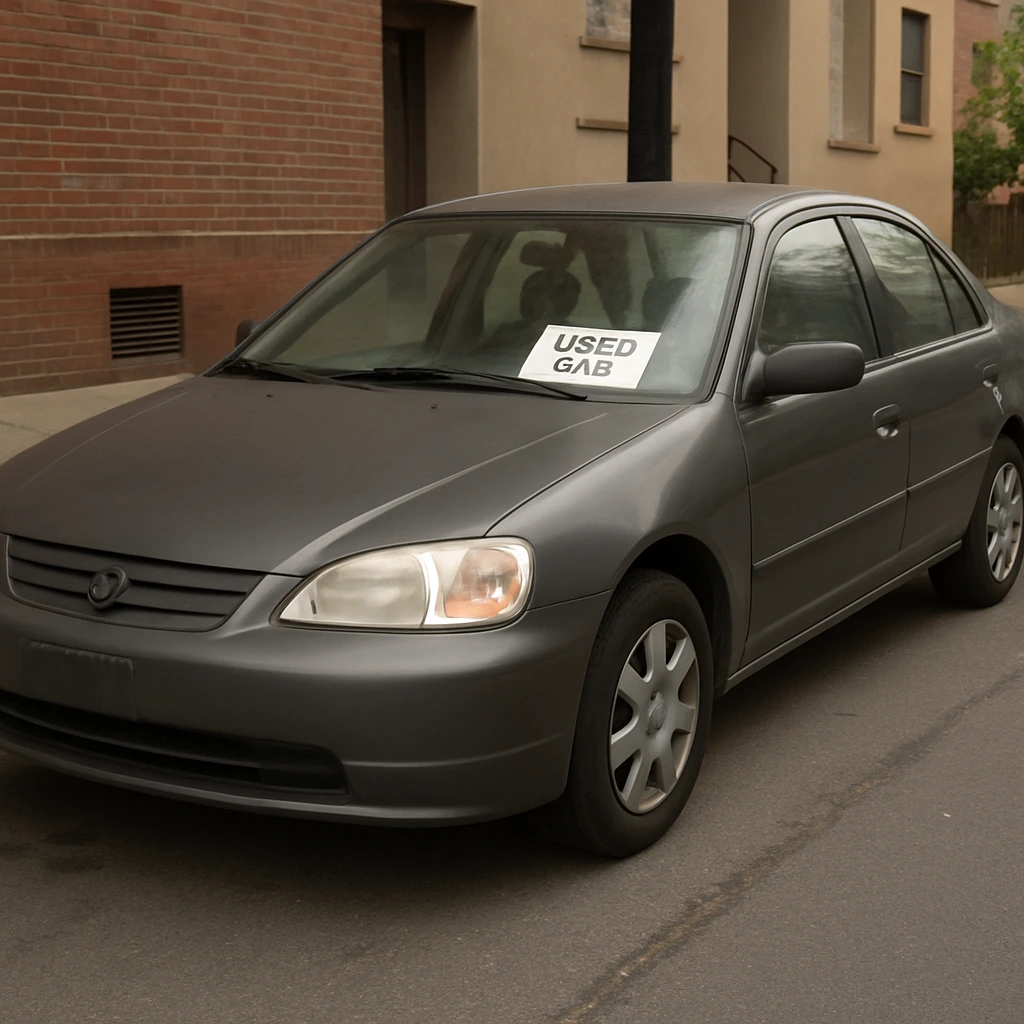
Non-certified used cars are just that---used cars that haven't been certified by a manufacturer. They might still be excellent vehicles, but they haven't gone through the rigorous inspection process that certified cars do. This lack of certification means that while you might find a great deal on a non-certified car, there is also a higher level of buyer beware involved. These vehicles can vary widely in terms of condition and history, making it essential to do your research and due diligence before purchasing.
Key Features of Non-Certified Used Cars
- Variety: Non-certified used cars can be found in a wide range of makes, models, and conditions. This variety can offer more choices to buyers. Whether you're looking for a specific model year, color, or feature set, the non-certified market often has an abundance of options. This diversity allows you to find a vehicle that fits your exact needs and preferences, potentially at a lower price point.
- Lower Price: Generally, non-certified used cars are less expensive than their certified counterparts. This can be a significant advantage for budget-conscious buyers. The savings on the initial purchase price can be redirected towards other expenses, such as customization, insurance, or setting aside a reserve fund for potential repairs.
- Independent Inspections: While non-certified cars don't come with a manufacturer's certification, buyers can choose to have them independently inspected by a trusted mechanic. This step is crucial in ensuring that the vehicle is in good working order and identifying any potential issues that might not be immediately apparent. An independent inspection can provide peace of mind similar to a CPO vehicle, albeit with an additional cost.
- No Additional Benefits: Non-certified cars typically do not come with the additional benefits like extended warranties or roadside assistance that you might find with a CPO vehicle. This means that buyers need to weigh the cost savings against the potential risk and additional costs of purchasing warranties separately or covering unexpected repairs out of pocket. Understanding these trade-offs is essential in making an informed purchasing decision.
Comparing Certified vs. Non-Certified Used Cars
Price Considerations
Certified pre-owned cars usually cost more than non-certified used cars. This higher price can be attributed to the inspection process, warranty coverage, and other benefits. However, for some buyers, the added peace of mind justifies the extra cost. Investing in a CPO vehicle can be particularly beneficial if you're planning to keep the car for several years, as the upfront investment can be offset by lower maintenance costs and fewer unexpected repairs.
Non-certified used cars are often more affordable, making them appealing to those who prioritize budget over added assurances. It's important to weigh the benefits of a lower price against the potential risks and additional costs of repairs. If you're mechanically savvy or willing to take the time for regular maintenance, the savings from purchasing a non-certified vehicle can be substantial.
Reliability and Assurance
CPO cars provide a level of assurance due to their thorough inspection and certification process. If reliability is a top priority for you, a certified pre-owned car might be the better option. You can drive off the lot knowing that the vehicle has been vetted and is in good working condition. This assurance can be particularly appealing for those who need a dependable car for daily commuting or long-distance travel.
Non-certified cars, while they can be reliable, don't offer the same guarantees. It's crucial to conduct due diligence, such as obtaining a vehicle history report and having the car inspected by a mechanic you trust. This extra effort can help mitigate some of the risks associated with buying a non-certified vehicle and ensure that you are making a sound investment.
Warranty and Benefits
The warranty and additional benefits of certified pre-owned vehicles are significant selling points. The extended warranty can save you money in the long run if any major repairs are needed. Roadside assistance adds an extra layer of security. These benefits can provide significant value, especially if you plan to use the vehicle extensively or rely on it for critical transportation needs.
Non-certified cars, lacking these additional benefits, might require you to purchase separate warranties or roadside assistance plans, which can increase your overall costs. While these added expenses can be a deterrent, they also allow for customization of coverage to suit your specific needs, which can be advantageous if you prefer a more tailored approach to vehicle ownership.
Depreciation and Resale Value
Certified pre-owned cars might hold their value better than non-certified cars, thanks to their certification and warranty. This can be beneficial if you plan to resell the car in the future. Buyers often perceive CPO vehicles as more reliable and well-maintained, which can make them more attractive in the resale market.
Non-certified cars may depreciate more quickly, but the initial lower purchase price can offset this to some extent. If you plan to keep the car for a long time, depreciation might not be as big of a concern. For those who view their vehicle as a long-term investment, the lower upfront cost and potential for customization can outweigh the faster depreciation rate.
Here's the updated "Making the Right Choice for You" section with the added Call to Action (CTA) link:
Making the Right Choice for You
Choosing between a certified pre-owned car and a non-certified used car depends on your priorities and budget. Here are some questions to consider:
- What's your budget? If you have a limited budget, a non-certified used car might be more appropriate. Consider your financial situation and any other financial commitments you may have before making a decision.
- How important is peace of mind to you? If you value the assurance of a warranty and thorough inspection, a certified pre-owned car could be worth the extra cost. Think about how much you value the security and predictability of a CPO vehicle's benefits.
- How long do you plan to keep the car? If you plan to keep the car for many years, the initial cost savings of a non-certified car might be more appealing. Longevity of ownership can influence how much you prioritize upfront costs versus long-term benefits.
- What is the suitable mileage for used cars? Generally, lower mileage is favorable, as it often indicates less wear and tear. A used car with mileage under 12,000 miles per year is considered a good standard. Evaluating the mileage helps assess potential maintenance needs and overall vehicle longevity. For more insights, check out our article on good used car mileage to understand how mileage can affect your buying decision. Remember to consider the car's maintenance history and overall condition alongside its mileage to ensure you're making a well-rounded decision.
- This version incorporates the CTA naturally, encouraging readers to explore further information on mileage, enhancing their understanding and aiding their decision-making process!
Conclusion
In summary, both certified pre-owned and non-certified used cars come with their respective advantages and disadvantages. Certified vehicles offer peace of mind with thorough inspections and added benefits, but they come at a higher price. On the other hand, non-certified cars can provide significant savings, though they may require more diligence in evaluating quality.
Once you've made your purchase, it's essential to know the steps to take. Our article on what to do after buying a used car provides a comprehensive checklist.
If you're in the market for a reliable used car, Yudianautomobile stands out by offering verified used cars at highly competitive prices. Explore their selection to find a vehicle that meets your needs while ensuring quality and value. Make an informed choice with the assurance that you are purchasing from a trusted source!